
Who We Are
I'm Alistair Blair, and I started The Fish Society 25 years ago in Guildford, which is forty miles from the sea and a hundred from the nearest fishing port. (It's where I happened to live. No business plan would have chosen it.) There are 25 of us now, and fish still arrives every morning, sent the day before by our 150 suppliers through the UK's remarkably efficient overnight fish network. So a fish landed and auctioned on Monday in Cornwall, the Hebrides, Aberdeen, Norfolk or the big French port of Boulogne can be prepared and frozen by us on Tuesday.
Almost everything we sell is frozen, apart from caviar and a handful of other specialities. That's deliberate. Fish frozen quickly after landing is indistinguishable from fresh once it's cooked and on the plate, and a good deal better than the defrosted fish that sits on supermarket counters calling itself fresh. Freezing also means we never run out of the unusual things. We've yet to find anyone, anywhere, who stocks a wider range, and we have looked.
These days we send out more than 5,000 orders a month. If, once it's properly defrosted, you can tell ours from fresh, we'll give you your money back.

“With endless varieties of frozen fish to shop, you’ll be spoilt for choice”

“One of the best sources of fish by mail order. Everything is frozen, but don't let that put you off – it's to ensure freshness.”

“The best home fish delivery service”

“The Fish Society is a great source”

"The UK's Leading Online Fishmonger" - Gordon Ramsay
Our Story
25 years ago, I was a journalist working in London, with a hankering to set up my own fish company offering customers a much wider range of fish than was available in supermarkets. Cod, haddock and plaice are very fine, but where was the turbot, Dover sole, lobster and crab? The Fish Society placed its first advert and sent out its first price list - a single laser-printed page - in 1994. I fulfilled the first orders by moonlighting between journalistic assignments. In those days I offered one delivery day every three months. After a couple of years we got to a delivery day every month. Much later, by that time with a couple of employees, we got to one a week. The internet arrived and we set up the UK’s first dedicated fish retail website. I wrote my last magazine column in 2012. We now despatch over a thousand orders every week. (And we’re aiming for 5,000.)
We’re 100% Committed to Frozen
First of all, we’re 100% committed to frozen. All fishmongers rely on frozen fish for at least some of their range - otherwise they’d have no prawns. And when fresh fish is scarce they might offer frozen as a fallback. But we believe that unless you’re buying fresh fish at the port to eat today or tomorrow, frozen is typically superior - as long as the fish being frozen is of the highest quality. Distance delivery of fish is an expensive business. You need fast delivery and sophisticated packaging - so it's absolutely pointless to send out anything other than top quality fish.
It’s much better to buy fish frozen super-fast in a commercial plant, then expertly labeled and packed, and delivered to you still frozen - than to buy fresh fish and freeze it slowly in your home freezer.
We believe our fish will give you the same eating experience as buying fish at the quayside and eating it straight away
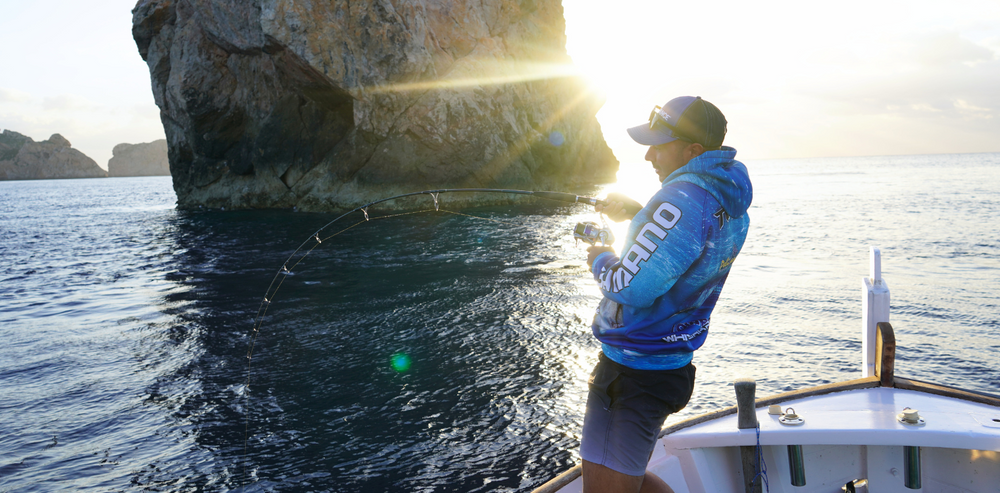
What Determines The Quality of Fish?
Following the "cod wars" of the 1970s it is unusual for fishing trips to last longer than a week and poor quality long trip fish has become a thing of the past. There are still discernible variations in quality and "day boat fish" (from a fishing trip of 1-2 days) commands the highest prices, but fresh no longer means superior.
These days, quality is determined by when, where and how the fish is caught, and how it is looked after between catching and delivery to your fridge or freezer.A good fresh fish display looks wonderful, but it takes its toll on the fish. Exposure to the air degrades fish. Everyone knows how tired the display can look at the end of the day. Some of the best fish is caught by specialised vessels which freeze their catch on board within hours. Our hook and line caught cod and haddock fillets from the well managed waters of Norway cost more than much of the cod and haddock landed fresh for processing onshore. This is because they are superior.
Why We’re Different
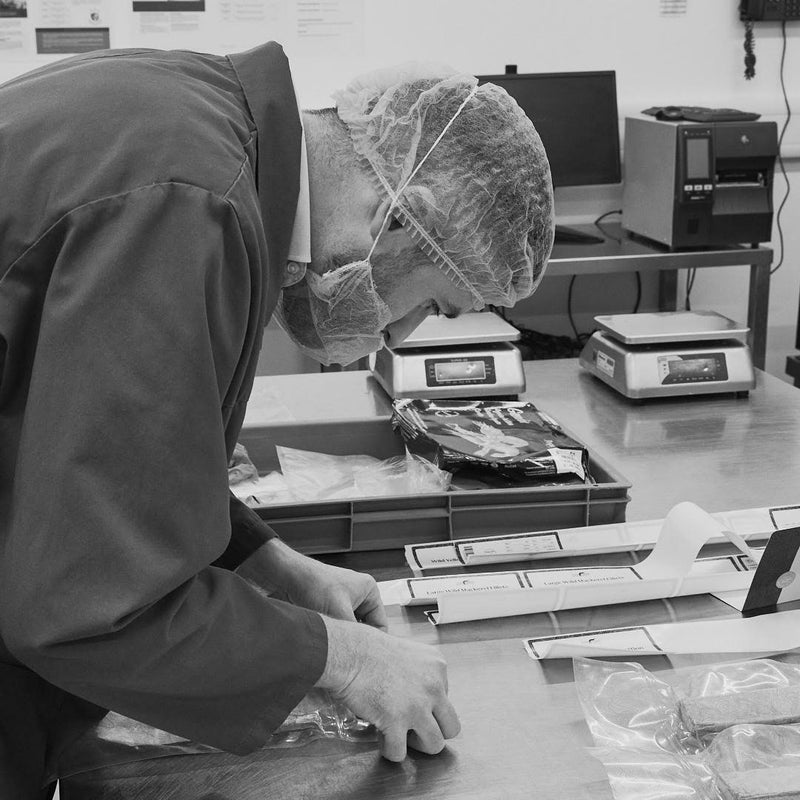
Of course, we are also committed to quality. If our fish did not exceed the quality available in supermarkets, we wouldn’t have a business. Quality is not just a matter of freshness. It’s also about cut and trim. We will sell you a whole fillet if that’s what you want, but most of our customers are looking for the prime piece of the fillet - what we call a fillet steak. They don’t want a Dover sole that’s too small to satisfy. They don’t want inferior grades of crab meat - they want claw meat. Over nearly 25 years we have discerned exactly what our very discerning customers want and that is what we give them.
And we are about service. It’s hard to convey the full meaning of what we see as good service, but it comes down to: 'Go the extra mile' and 'Do as you would be done by'. We try to apply the same attention to detail that we apply to cuts of fish and the delivery process to every aspect of our customer relationships.
If our fish did not exceed the quality available in supermarkets, we wouldn’t have a business!
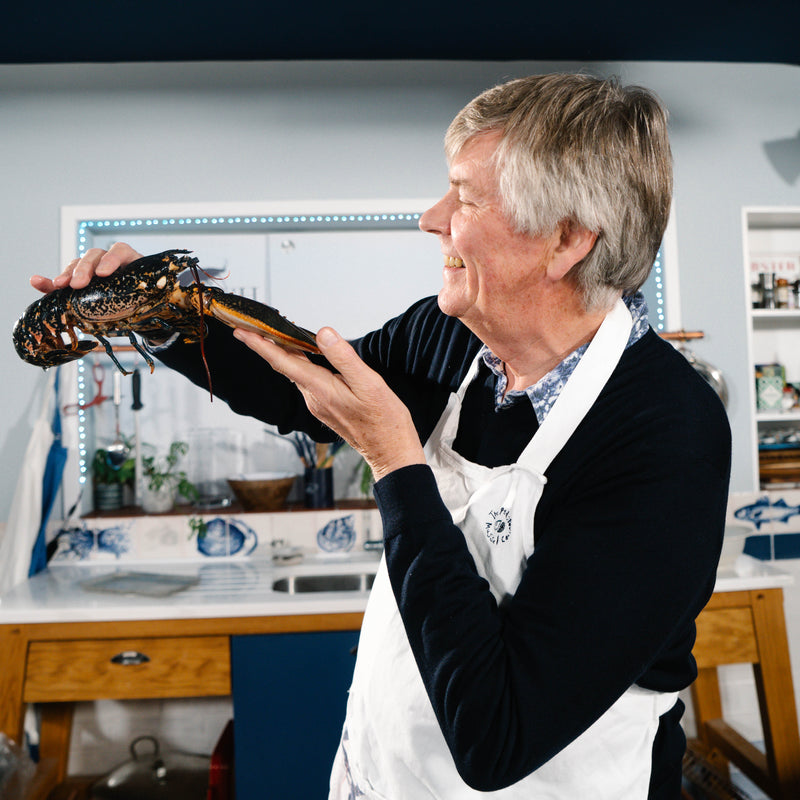
"If Our Fish Did Not Exceed The Quality Available in Supermarkets, We Wouldn’t Have a Business" Alistair Blair
New In
Find exactly what you want. We sell 200 kinds of fish - way more than anyone else.
Shop New In

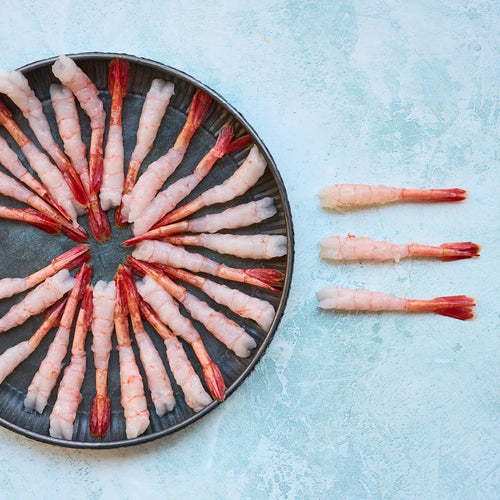
Ama Ebi Sushi Prawns - Tray


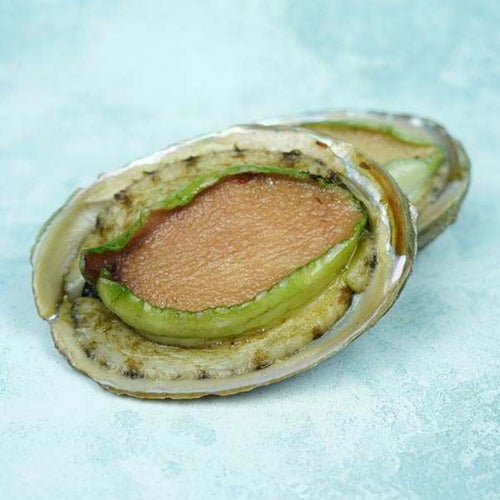
Australian Abalone
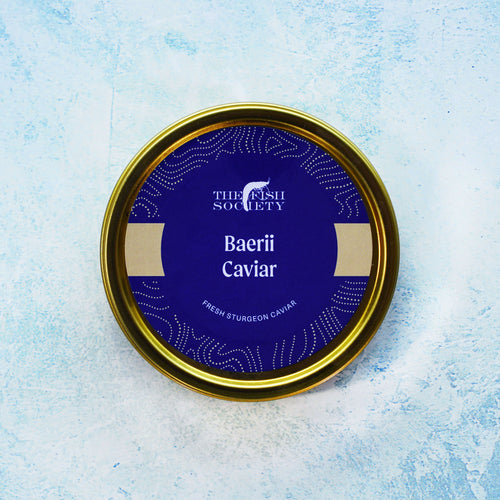
Baerii Sturgeon Caviar
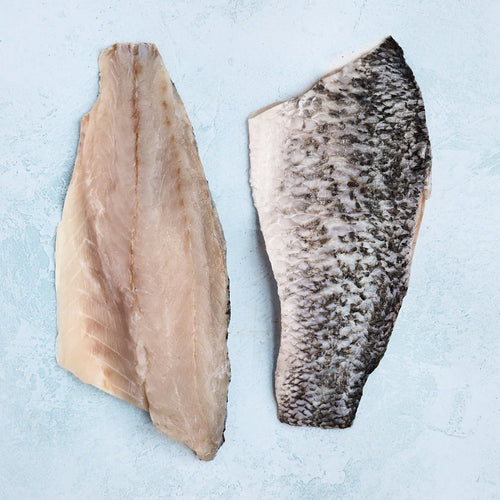
Barramundi fillets


BBQ Bundle

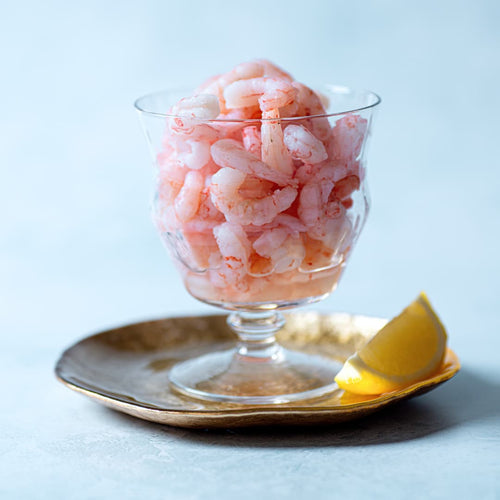


Best Selling Crab Bundle

Best Selling Fillets Bundles

Best Selling Smoked & Cured Fish Bundle


Black Cod Omakase

Blinis & Caviar

Blinis & FishRJumpin Smoked Salmon (200g)
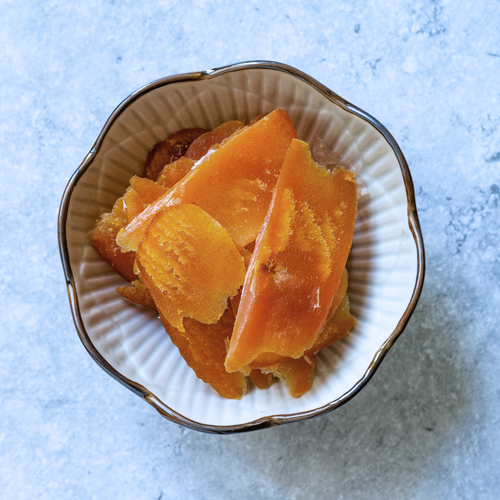


Breaded Cod Bites

Breaded Crab & Surimi Claws

Breaded Squid Rings
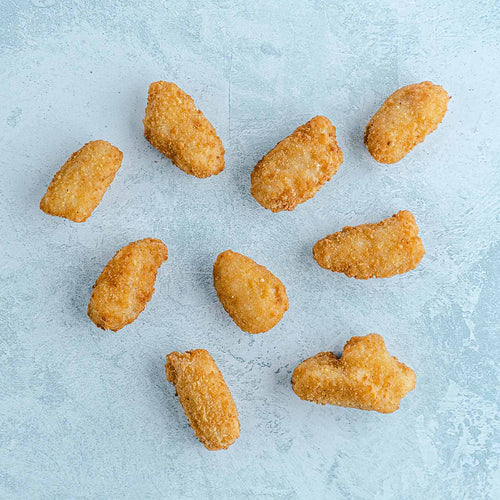
Breaded Wholetail Scampi

Breakfast Box

Brown Crab Meat

Canape Box


Clearance Clams

Clearance Fillets

Clearance Prepared

Cod Cheeks


Cod Misshapes Bundle

Cooked Whole Wild Lobster
Ama Ebi Sushi Prawns - Tray
Australian Abalone
Baerii Sturgeon Caviar
Barramundi fillets
BBQ Bundle
Best Selling Crab Bundle
Best Selling Fillets Bundles
Best Selling Smoked & Cured Fish Bundle
Black Cod Omakase
Blinis & Caviar
Blinis & FishRJumpin Smoked Salmon (200g)
Breaded Cod Bites
Breaded Crab & Surimi Claws
Breaded Squid Rings
Breaded Wholetail Scampi
Breakfast Box
Brown Crab Meat
Canape Box
Clearance Clams
Clearance Fillets
Clearance Prepared
Cod Cheeks
Cod Misshapes Bundle