
Britain eats about one portion of fish a week. We're supposed to eat two.
We're an island with over 7,000 miles of coastline, and we still can't manage it. Seafish — the body that actually tracks this properly — puts total UK seafood consumption at 144.55g per person per week in 2022. That's down 7.7% on the year before, and it works out to just 1.03 portions of a standard 140g serving. Spain, with half our coastline, eats roughly twice as much per head as we do. This isn't a rounding error. It's a habit that's been sliding for decades, and it's worth asking what it's costing us.
Five fish, 80% of the plate
Cod, haddock, salmon, tuna and prawns. Between them, these five species make up around 80% of everything Britain eats, despite there being well over 100 species landed on our own shores. It's been a narrow diet for a long time — narrower, if anything, than before the 2011 "Hugh's Fish Fight" campaign tried (and largely failed) to widen it.
- Salmon is the genuine growth story. Farmed salmon, mostly from Scotland, now takes 65% of the "top-five" natural seafood segment sold in multiple retail — up 7 points since before the pandemic. We spend around £1.2bn a year on it, more than double what we spend on cod.
- Cod stays the nation's sentimental favourite (fish and chips will do that), worth around £600m a year at retail. Supply's tightening, though: Northeast Arctic quotas fell 14% for 2026, with the advised catch down from 885,600 tonnes in 2021 to 269,440 tonnes.
- Haddock trails at around £300m a year and has had a mixed run — Icelandic quotas down 4.4% for 2025/26, even as Northeast Arctic haddock quotas rose 43% for 2026.
- Tuna, mostly tinned, is worth around £500m a year and became the go-to trade-down purchase during the cost-of-living squeeze, alongside frozen fish fingers.
- Prawns, mostly warm-water and farmed in Southeast Asia, bring in around £400m a year with 17% share of the top-five retail segment.
The bit we're actually failing on
Government advice is two portions a week, at least one of them oily — mackerel, herring, sardines, trout. We're nowhere near it. Research mapping UK seafood nutrient flows found that our exports of oily fish like salmon, herring and mackerel send away enough omega-3, B12 and vitamin D to have covered an estimated 73%, 46% and 7% respectively of what the UK population could otherwise be getting from them. Mackerel and herring are consistently among our own top wild landings — we catch plenty, right off our own coast — and then mostly ship it abroad while importing farmed salmon to eat instead. (We'll confess we find that one a bit baffling ourselves.)
Retail's up, eating out is down
About 70% of the seafood Britain eats comes from retail rather than restaurants. In the year to March 2024, UK retail seafood volumes actually grew again — up 1.0% to 383,533 tonnes — driven mostly by frozen, up 7.1% on the year and the only channel still ahead of pre-Covid levels. Foodservice is roughly 20% behind pre-pandemic servings, as people eat out less and trade down when they do. Within frozen, coated products — fish fingers, breaded fillets, fish cakes — are the strongest performers, which is one reason a workhorse whitefish like Alaskan pollock has quietly grown its UK volumes even while headline consumption falls.
Why it's worth caring about
A 2020 study estimated that getting all of England up to two portions a week could prevent enough cases of cancer, diabetes and heart disease to save over £1.3bn a year under the most conservative modelling — up to £3.5bn under a less cautious one. Seafood carries a nutrient profile that's genuinely hard to replace anywhere else on a British plate: complete protein, vitamin D, B12, iodine, and — in oily fish — the long-chain omega-3s (EPA and DHA). That's the case for eating more of it, stated plainly, not as a wellness pitch. Most of us are managing about half of what's recommended.
Even the industry admits the target's a stretch — consumption would need to roughly double to hit two portions a week across the population. But "hard" and "not worth trying" aren't the same thing, and Seafish's own five-year outlook has consumption falling by a further 25g per person per week roughly every five years if nothing changes. Left alone, this gap gets wider, not narrower.
The easy fix: stop eating the same five fish
If 80% of what Britain eats is five species, the other 100-plus species landed around our coast are sitting there mostly unbought. Megrim, gurnard, coley, dab, pouting — perfectly decent fish, often a third of the price of cod, and usually a better bet for UK-caught freshness than a Big Five species that's likely spent weeks in a container ship. We stock a fair few of them ourselves, for exactly this reason — we'd genuinely rather point you toward a coley fillet than sell you another cod you could get anywhere.
If you're trying to hit two portions a week without doubling your food bill, the arithmetic's simple: one oily fish portion (mackerel, herring, sardines — all cheap, all genuinely good for you) and one whitefish or shellfish portion of whatever's in season and landed nearby, rather than reaching for salmon and prawns out of habit. It's not a dramatic change. It's one extra meal a week, off a wider shelf than the one most trolleys stop at.
If you fancy starting with something other than the usual, our smoked mackerel and Manx kippers are both landed and processed within days of catch — worth a look if oily fish isn't yet a habit at yours.
Sources: Seafish, "Seafood Consumption (2024 Update)" and UK Seafood Trade Midyear Report 2025; Nature Food (2024), "Seafood supply mapping reveals production and consumption mismatches..."; British Sea Fishing; Future of Food, Oxford Martin School.
New in
Find exactly what you want. We sell 200 kinds of fish - way more than anyone else.
SHOP NEW IN


Tilapia Fillets


Whole Cleaned Squid


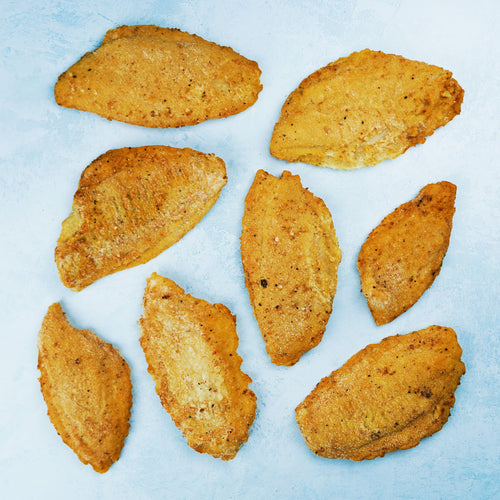

Salmon Fishcakes - 1kg pack


Tinned British Mackerel
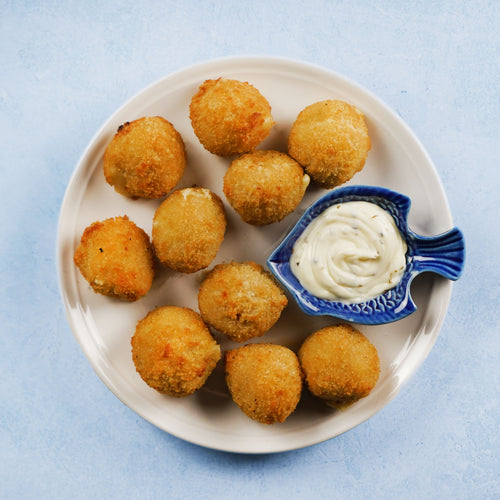
Spanish Cod Croquettes


Nordic Halibut Fillet Steaks


Tuna For Cooking - 1kg Bag
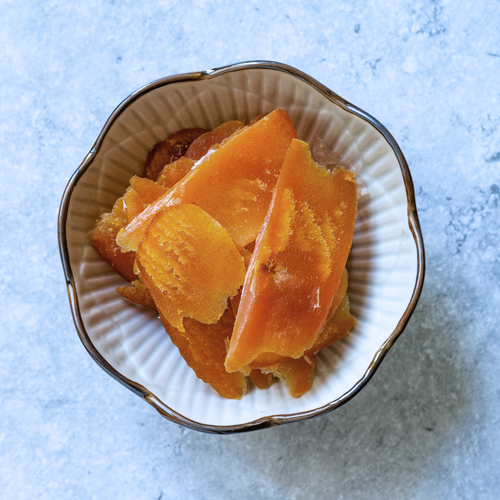
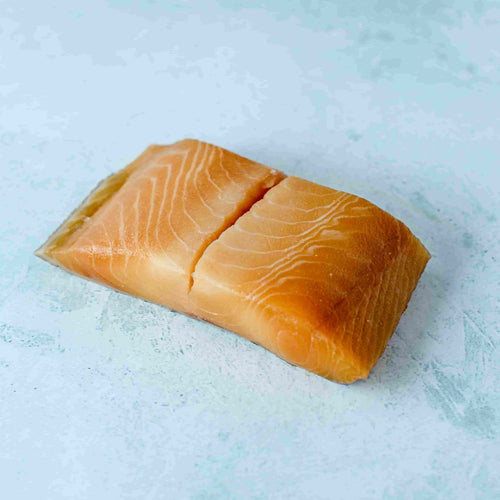
Miso Marinated Black Cod


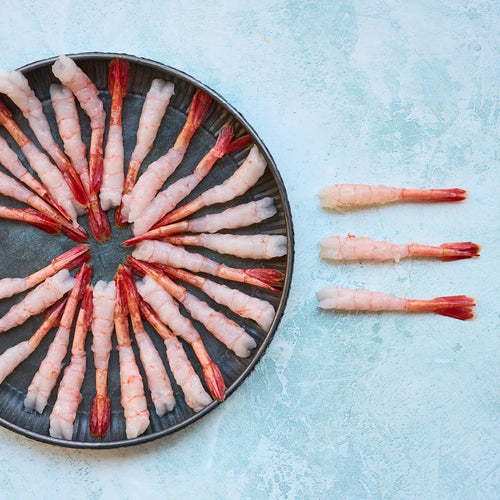
Ama Ebi Sushi Prawns - Tray

Salmon Fillet Steaks

Tilapia Fillets
Whole Cleaned Squid
Salmon Fishcakes - 1kg pack
Tinned British Mackerel
Spanish Cod Croquettes
Nordic Halibut Fillet Steaks
Tuna For Cooking - 1kg Bag
Miso Marinated Black Cod
Ama Ebi Sushi Prawns - Tray